Can you treat this patient before they deteriorate?
Every drug changes the whole patient, and every decision costs them minutes. Try it below, no account needed.
of 100 free first years left. No card.
· A short version of a real Daily case. The full Daily gives you all 34 treatments →
One change, followed all the way down.
What you just tried is one condition in one playground. Each playground is a live model you can load with any of its conditions and prescribe into, with the UK guideline beside it.
- 01Load a condition
Pick a system and a preset patient. Their physiology starts deranged the way that condition really derails it.
- 02Prescribe into it
Every drug button is a real intervention with a real mechanism. Stack them, and the interactions show up too.
- 03Watch it cascade
Each downstream value moves, with a note on why, and the UK guideline for that step is right there to check against.
Acute severe asthma
- Any one of: PEF 33–50% of best, RR ≥25/min, HR ≥110/min, can't complete sentences in one breath.
- Oxygen to keep SpO₂ 94–98%.
- Salbutamol 5 mg via oxygen-driven nebuliser, repeated at 15–30 minute intervals if needed.
- Add ipratropium 0.5 mg nebulised.
- Prednisolone 40–50 mg daily for at least 5 days.
- Poor initial response: consider a single dose of IV magnesium sulfate 1.2–2 g over 20 minutes, after senior discussion.
Summarised from BTS/SIGN 158. In the playground, every condition has its own panel quoting and citing its guideline.
Drawn accurately, and every one of them runs.
All fourteen playgrounds, each one a live model you can prescribe into.
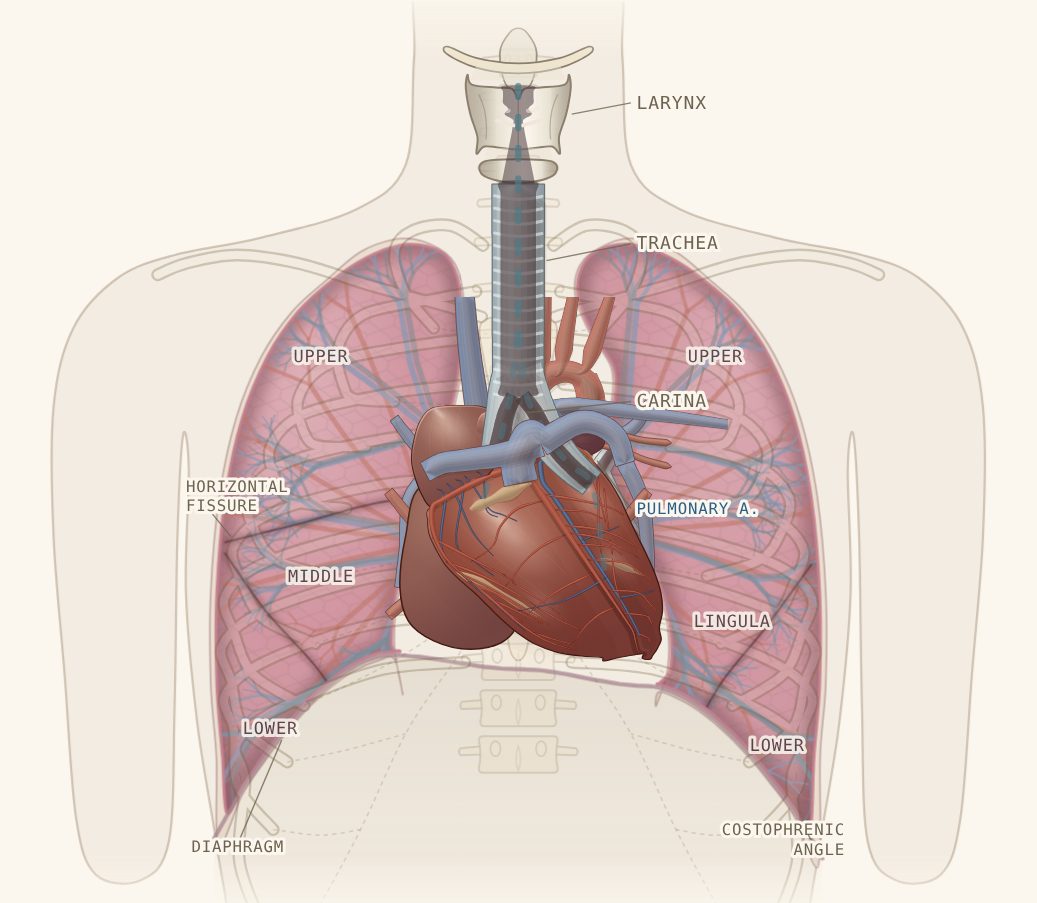
Rate, tidal volume and airway resistance in, gas exchange out. Asthma, COPD, pneumonia, PE.
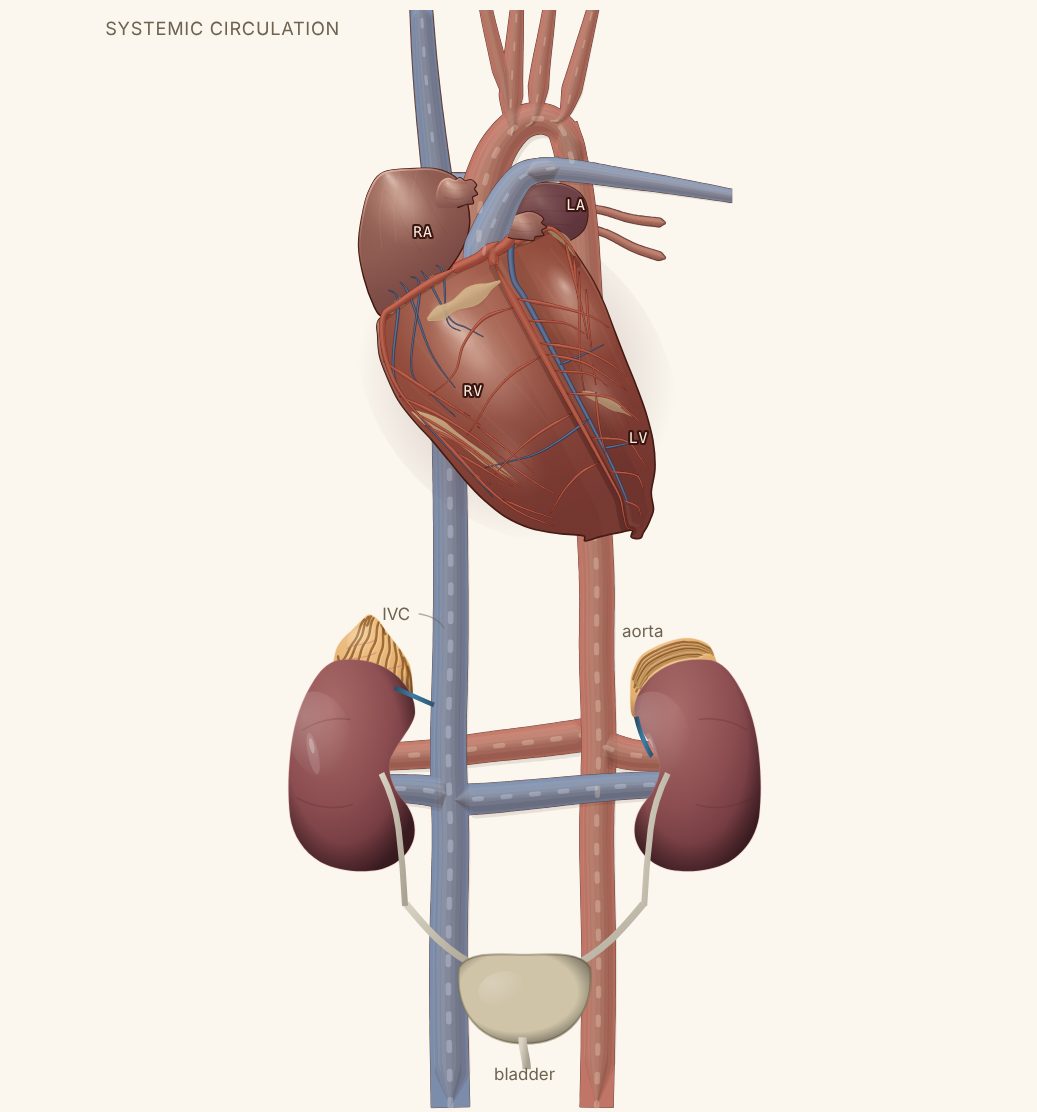
The monitor, the ECG and the kidneys as one system. STEMI, heart failure, AF, AKI.
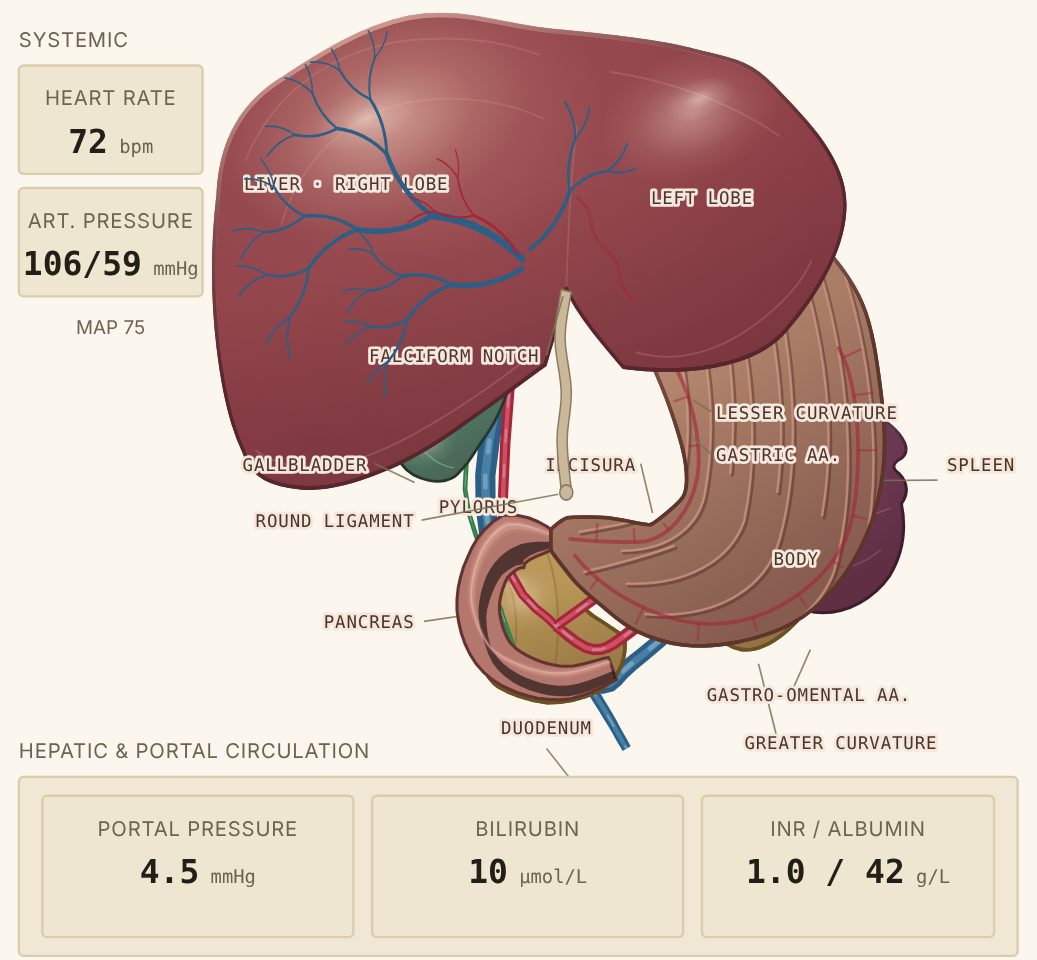
Portal pressure, synthetic function and bilirubin moving together.
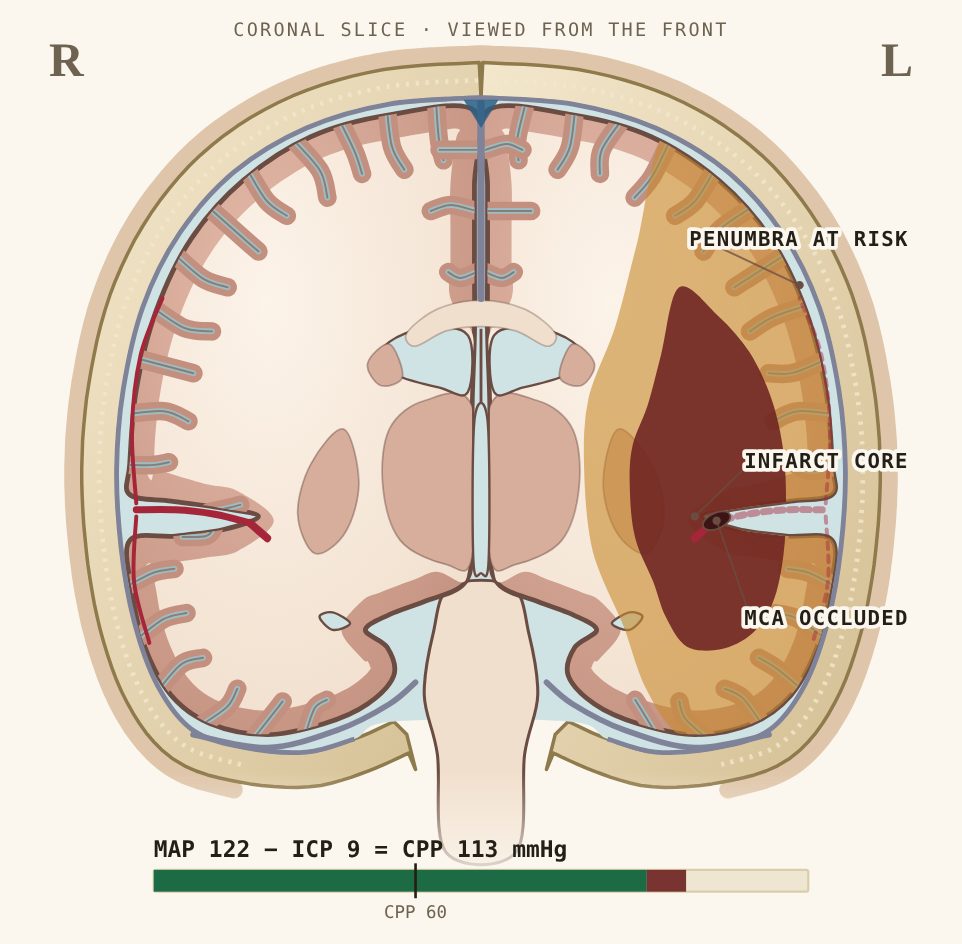
ICP, cerebral perfusion and the Cushing reflex in real time. Stroke, status, meningitis.
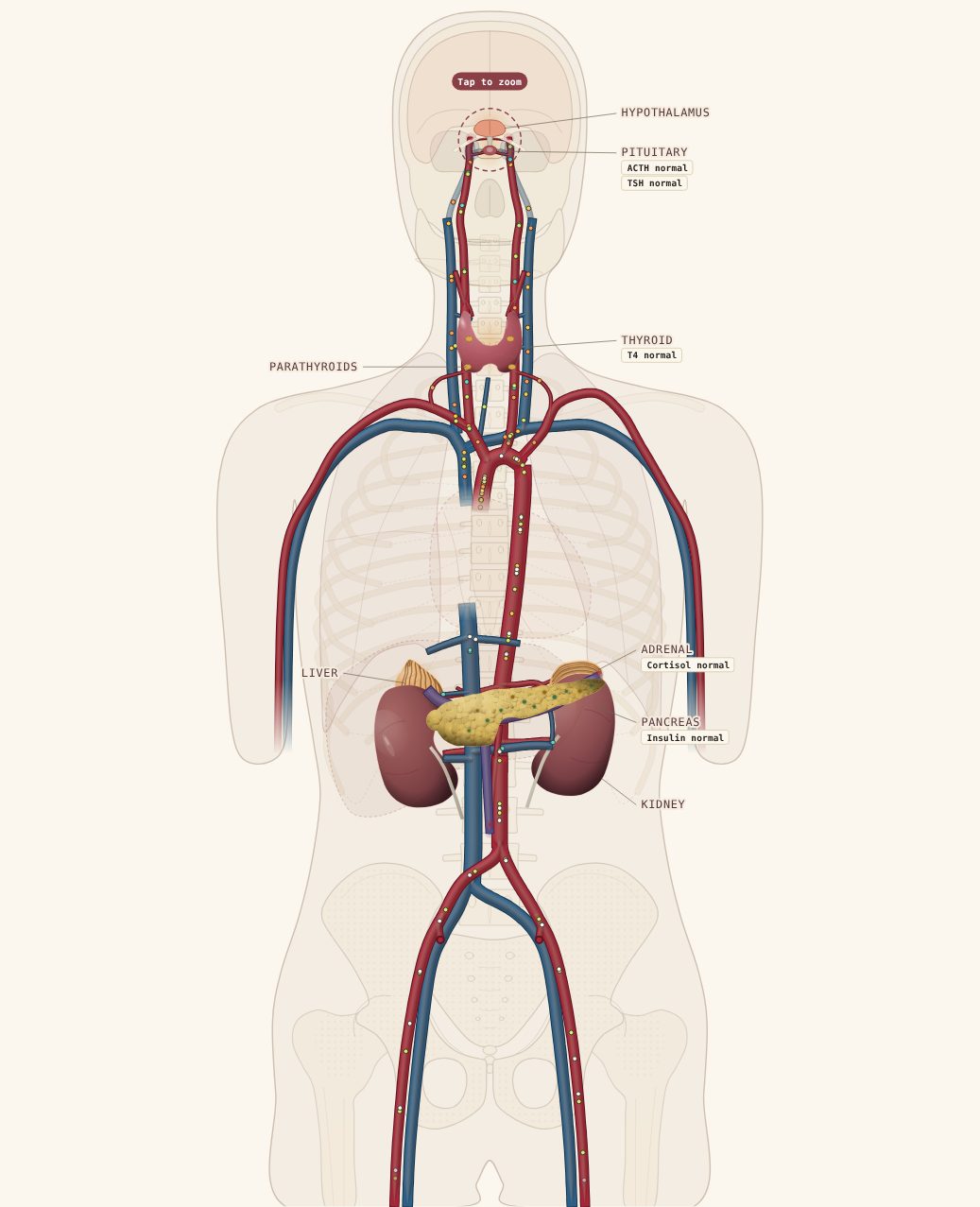
Thyroid, adrenal and glucose axes, with the feedback loops drawn as they run.
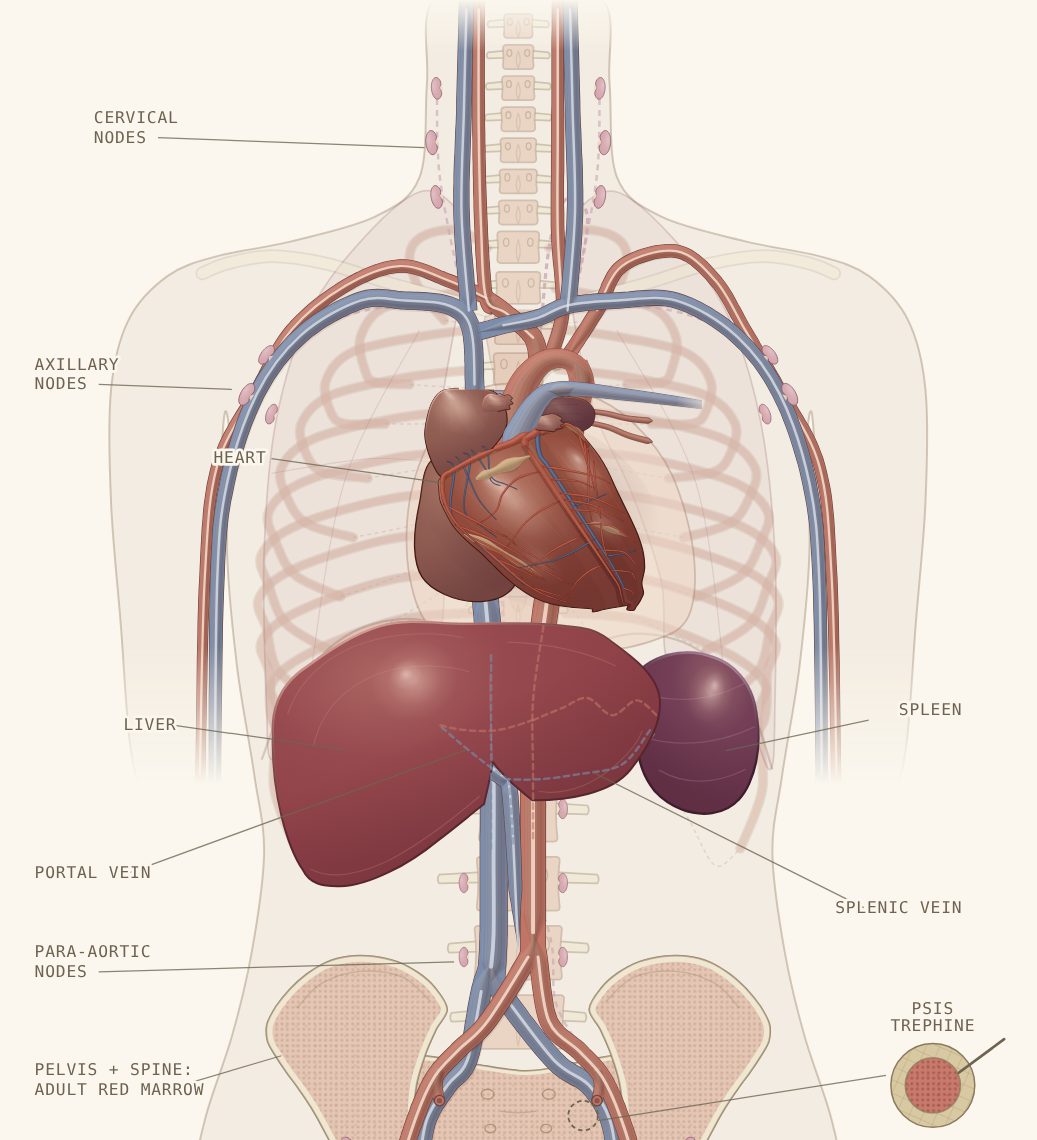
Iron deficiency, sickle crisis, neutropenic sepsis, and what each transfusion actually changes.
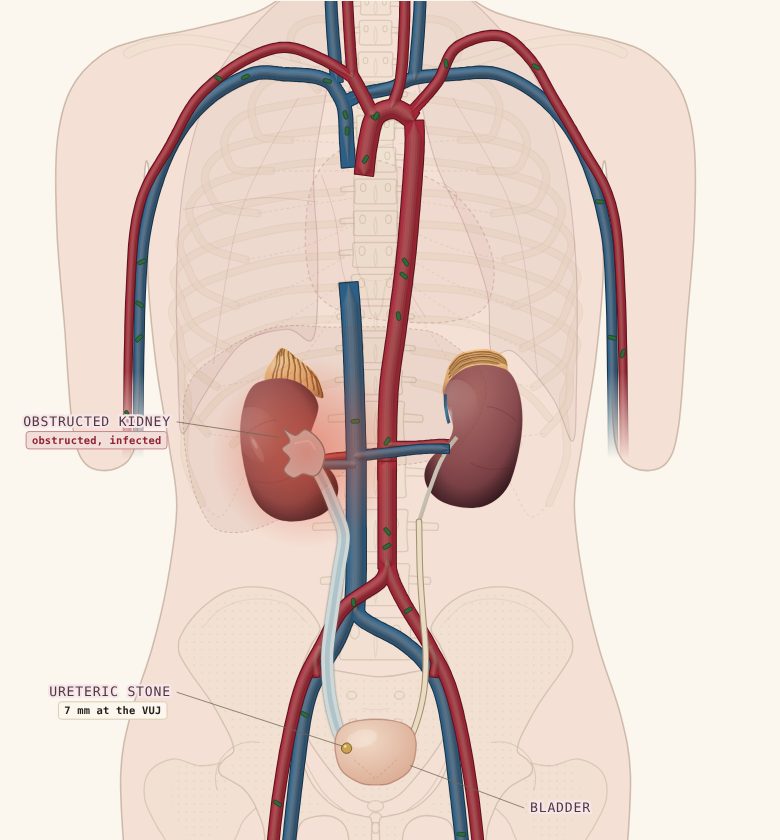
Source, organism, antibiotic spectrum and source control. Wrong cover and the patient tells you.
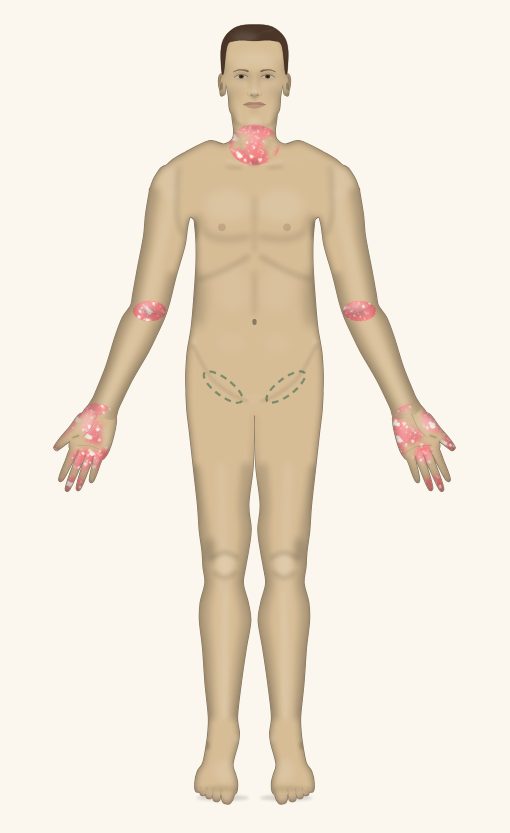
The topical steroid ladder and acute skin failure, drawn across the full skin-tone range.
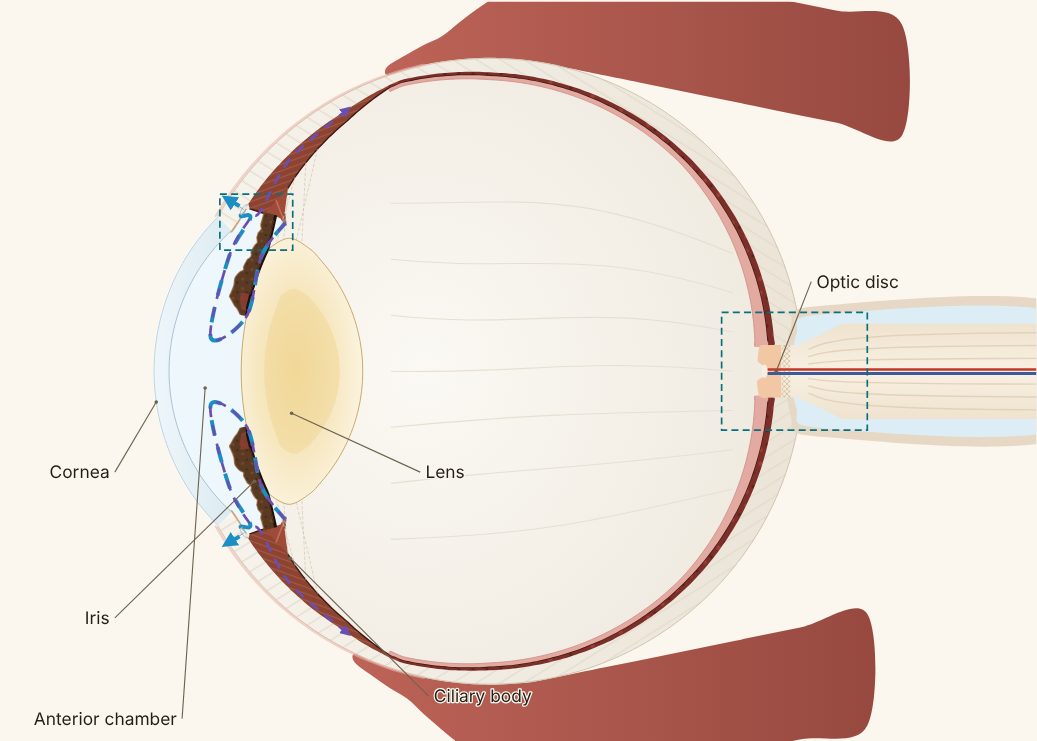
A whole-eye section with aqueous flowing through it, and the pressure that follows.
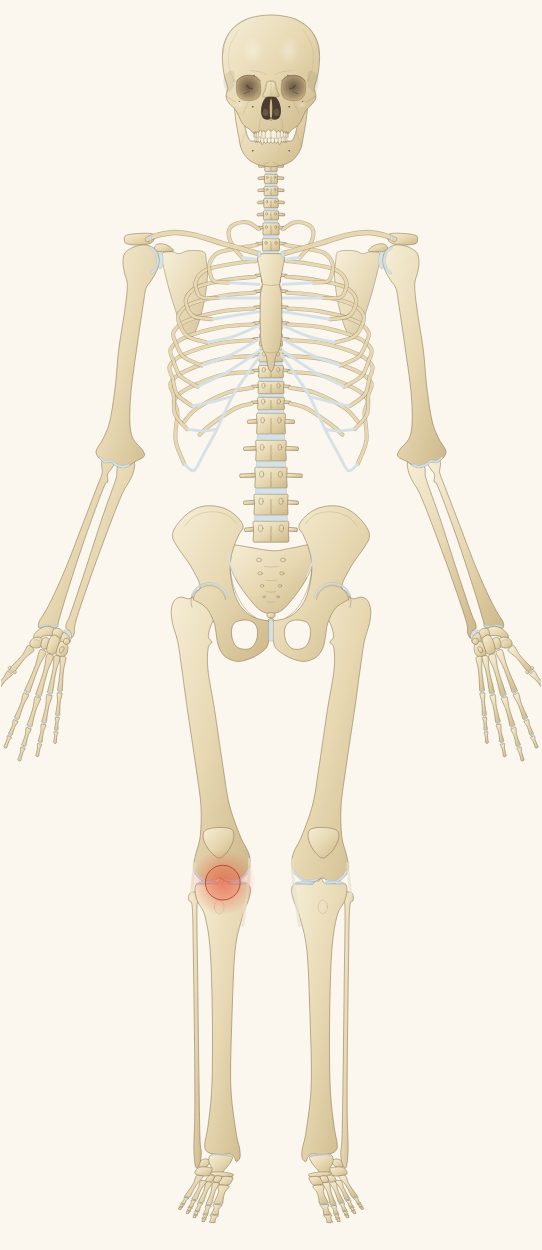
Septic arthritis, RA and gout on a whole-body skeleton you can zoom into.
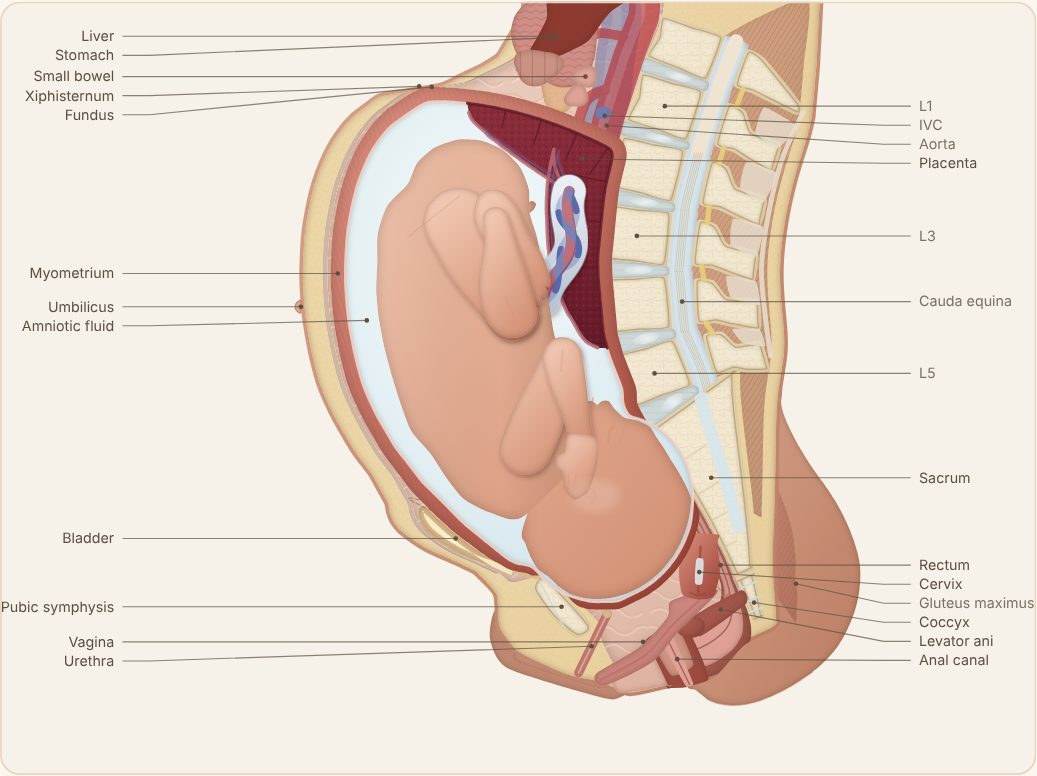
A fetus that grows with the gestation week, and the disorders shown in the picture.
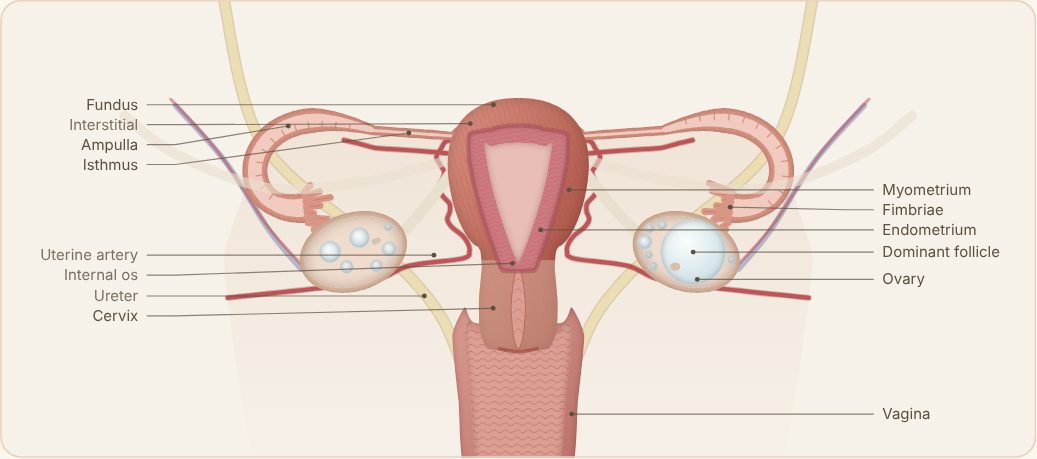
The HPO axis, contraception against UKMEC, HRT and early pregnancy.
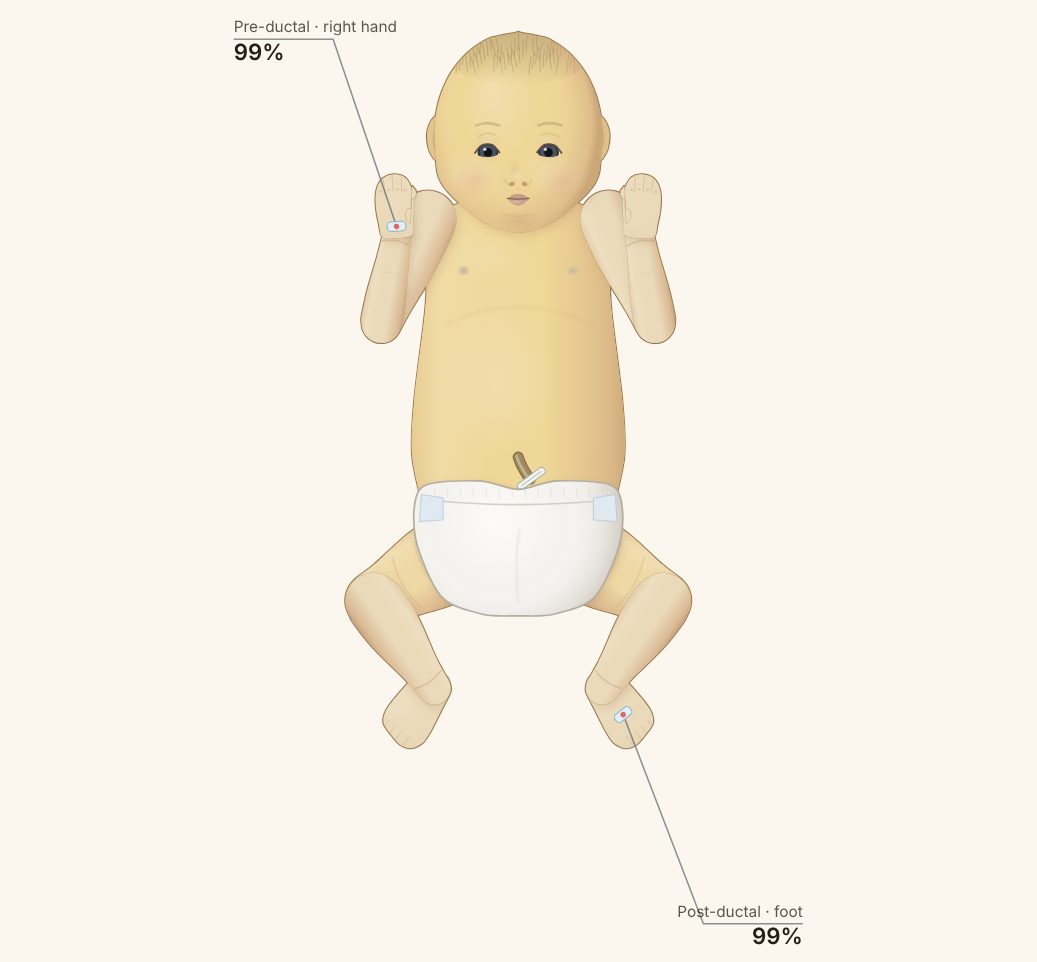
The baby you just delivered, with early-onset infection, prematurity and HIE cooling.
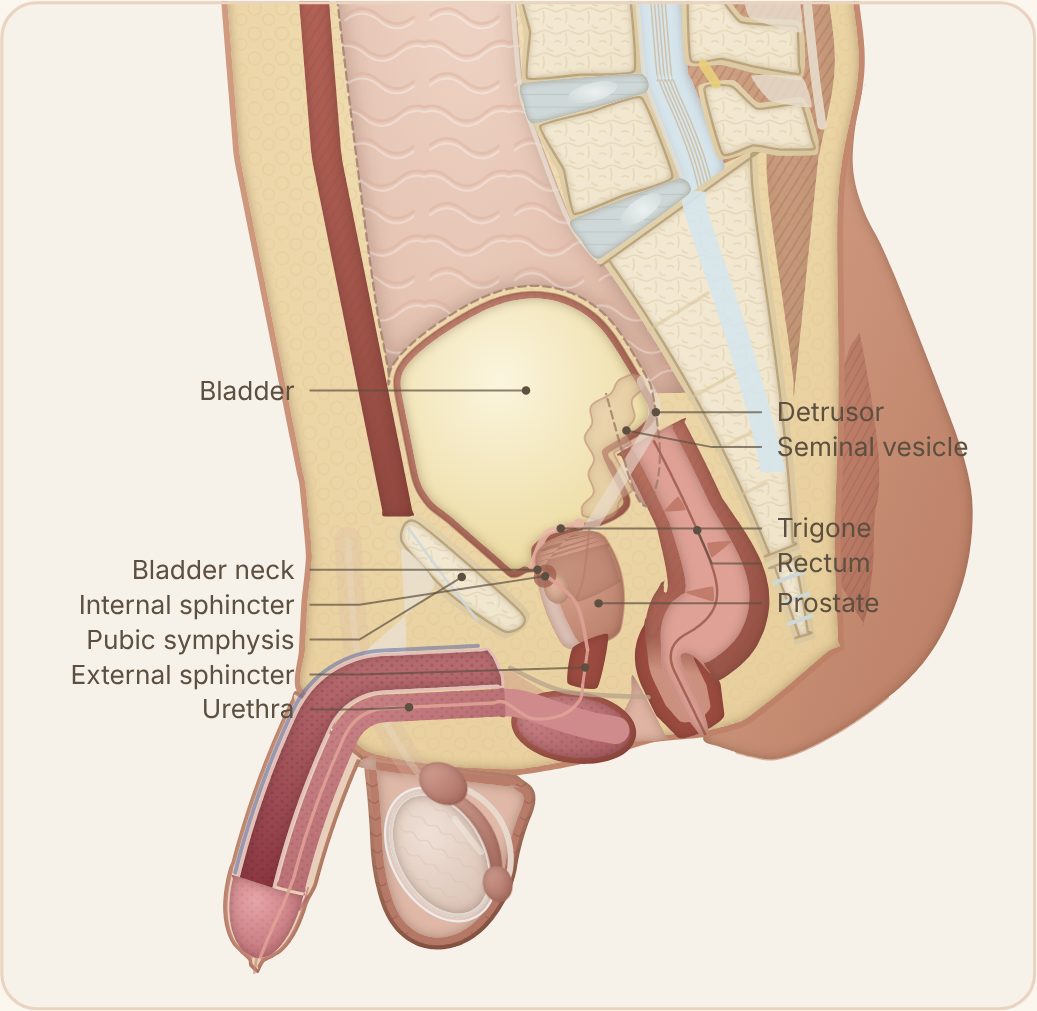
The lower urinary tract, obstruction and BPH, built on the shared renal core.
Keep your question bank. Cascade is why the answers stick.
A question bank tells you which answer is right. Cascade shows you what every answer does to the patient, and in our Qbank your answer decides the next question. Try it: pick any option, including the wrong ones.
A 68-year-old man with heart failure, on ramipril and spironolactone and recently started on trimethoprim, has a potassium of 7.1 mmol/L. His ECG shows tall tented T waves, absent P waves and a broad QRS. What is the most appropriate immediate management?
Pick an answer.
The same patient, the next 30 minutes
Pick an answer on the left and watch what it does to his potassium and his ECG.
Simplified for this page. The full version runs live in the cardio-renal playground.
Every answer has a knock-on effect.
Most question banks mark you and move on. Ours carries your answer forward: question 2 is the patient you left behind, so a wrong call becomes the problem you have to fix next.
Pick an answer above to see which question 2 you get.
From Qbank case hyperkalaemia-01, question 1 shortened. Question 3 then forks again on how his potassium responds.
Management mapped to UK guidance: NICE, BTS, SIGN, UKKA, RCOG and BNF, cited beside each condition.
Over 1,100 branching single-best-answer cases across sixteen systems, with new cases added every week. Every wrong answer leads somewhere real.
Every prescription is open in every condition you can load. You're never stopped from trying something.
A new patient every day. Same one for everybody.
A fixed number of actions and a fixed number of the patient's minutes. Every drug and every investigation spends both, and the physiology drifts while you decide.
Play today's case → Free · no account to lookSchool leaderboardWhich medical school is winning this week. Schools are ranked on the points their students score on the daily case, Monday to Sunday, so a school climbs by getting more of its year playing and playing well. A separate people board shows only students who opt in, under a display name they choose.
See this week's table →One plan. Everything in it.
The first 100 people to sign up get their first year free. No card, nothing to cancel.
Free
- Today's Cascade Daily case, every day, with the full debrief
- A free account opens every playground, with its free conditions
- Every prescription in those conditions, with the reasoning
- The UK guideline panel beside each condition
- Your school on the leaderboard
- The full condition set and the Qbank
No account needed for the daily or the leaderboard. The playgrounds need a free account.
Cascade
- Every condition in every system
- The full Qbank, and every case added during your year
- Unlimited practice on any past daily case
- New systems and conditions as they land
- Streaks, history and sync across devices
Things people ask.
Getting started
Do I need an account?
Not to play the daily case or look at the leaderboard. A free account opens every playground. The full condition set and the Qbank are on the £30 plan.
What stays free forever?
The daily case and the school leaderboard, with no account at all. With a free account: every playground, its free conditions with every prescription open, and the guideline panel.
What is Cascade Daily?
One patient a day, the same one for everybody. You get a fixed number of actions and a fixed number of the patient's minutes. Every drug and every investigation spends both, and the physiology drifts while you decide.
How does the school leaderboard work?
It ranks medical schools by the total points their students score on the daily case each week, Monday to Sunday, so a school climbs by getting more of its year playing and treating the patient well. Each school also shows how many people played and its median score. There is a second board for individuals, but you only appear on it if you switch it on and set a display name, and it never shows an email.
Does it work on my phone?
Yes. Cascade runs in your browser, so there is nothing to install. It works on a laptop, tablet or phone.
Learning with Cascade
Can I use it alongside Passmedicine or Quesmed?
Yes, that's the point. Use your question bank to find out what you don't know, then open the playground for that condition and see why the answer is the answer.
What's different about the Qbank?
It has over 1,100 single-best-answer cases across sixteen systems, with new ones added every week, and they branch. Your answer to the first question decides which second question you get, so a wrong call becomes the next problem you have to manage.
Which systems are covered?
Fourteen playgrounds: respiratory, cardio-renal, GI and hepatic, neurology, endocrine, haematology, sepsis, dermatology, ophthalmology, MSK and rheumatology, obstetrics, gynaecology, neonatal and urology.
Who writes the content, and how do I know it's right?
Every management step is mapped to current UK guidance and the source is cited beside it. Formal clinical review is underway. Every playground, debrief and Qbank rationale has a report button next to the text itself. If something is wrong, flag it and it gets fixed.
Is it only for finals?
No. The physiology is useful from first year, and the management side carries through to the UKMLA and beyond.
Can I use it for real patients?
No. Cascade is a learning tool, not clinical decision support. On the wards, follow current guidance and your seniors.
Paying and your data
What happens when a free launch year ends?
If you were given a free first year at launch, before it ends Cascade asks you in the app whether you want to carry on at £30 a year. We don't hold a card, so nothing is charged unless you choose to pay. If you don't, your account drops back to the free tier and keeps your history.
Can I get a refund?
Yes. Email support@cascade.clinic within 14 days of paying and you get the full £30 back, no reason needed. After that, the terms explain when a partial refund applies.
What do you do with my data?
Cascade stores your email address, the medical school you pick and what you did in the app. It doesn't sell anything to anybody or run advertising, and card details never touch the site. The privacy page has the detail.
Can I delete my account?
Yes, at any time. Deleting your account removes your data from Cascade.
Still got a question? Email support@cascade.clinic.